
Latest in Inmate Health Monitoring & Overdose Prevention
Stay informed with real-life updates, success stories, and best practices from correctional facilities across the U.S.

Union County Correctional Facility receives near $12k grant for life detection radar systems
This resolution accepts grant funding worth $12,910 dollars for the purchase and first-year annual upkeep of two life detection radars for the Union County Correctional Facility.
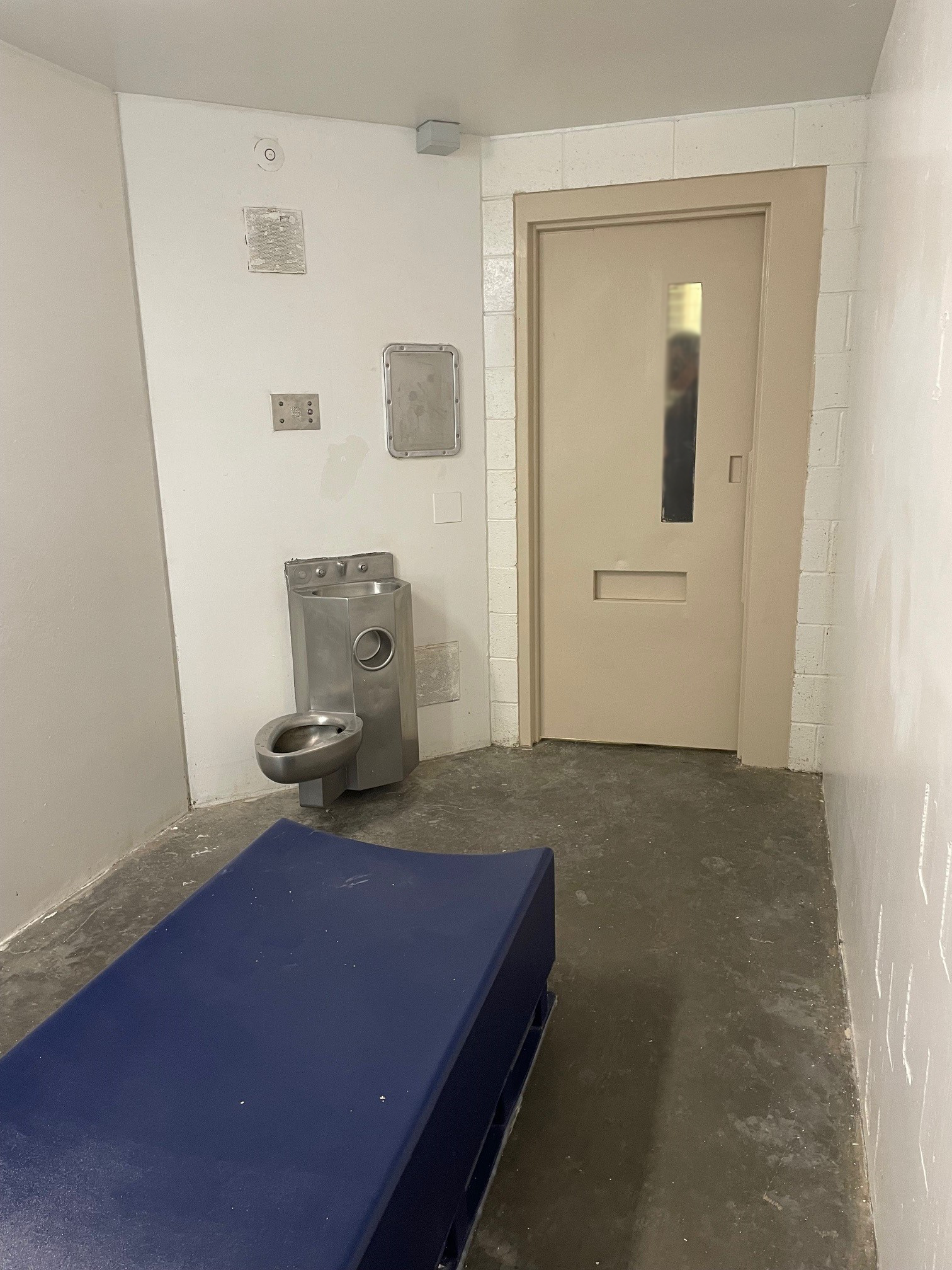
Which Correctional Health Monitoring Platform Can Support Documentation for Compliance Reviews and Incident Investigations?
Learn how Reassurance Solutions Can Support Documentation for Compliance Reviews and Incident Investigations
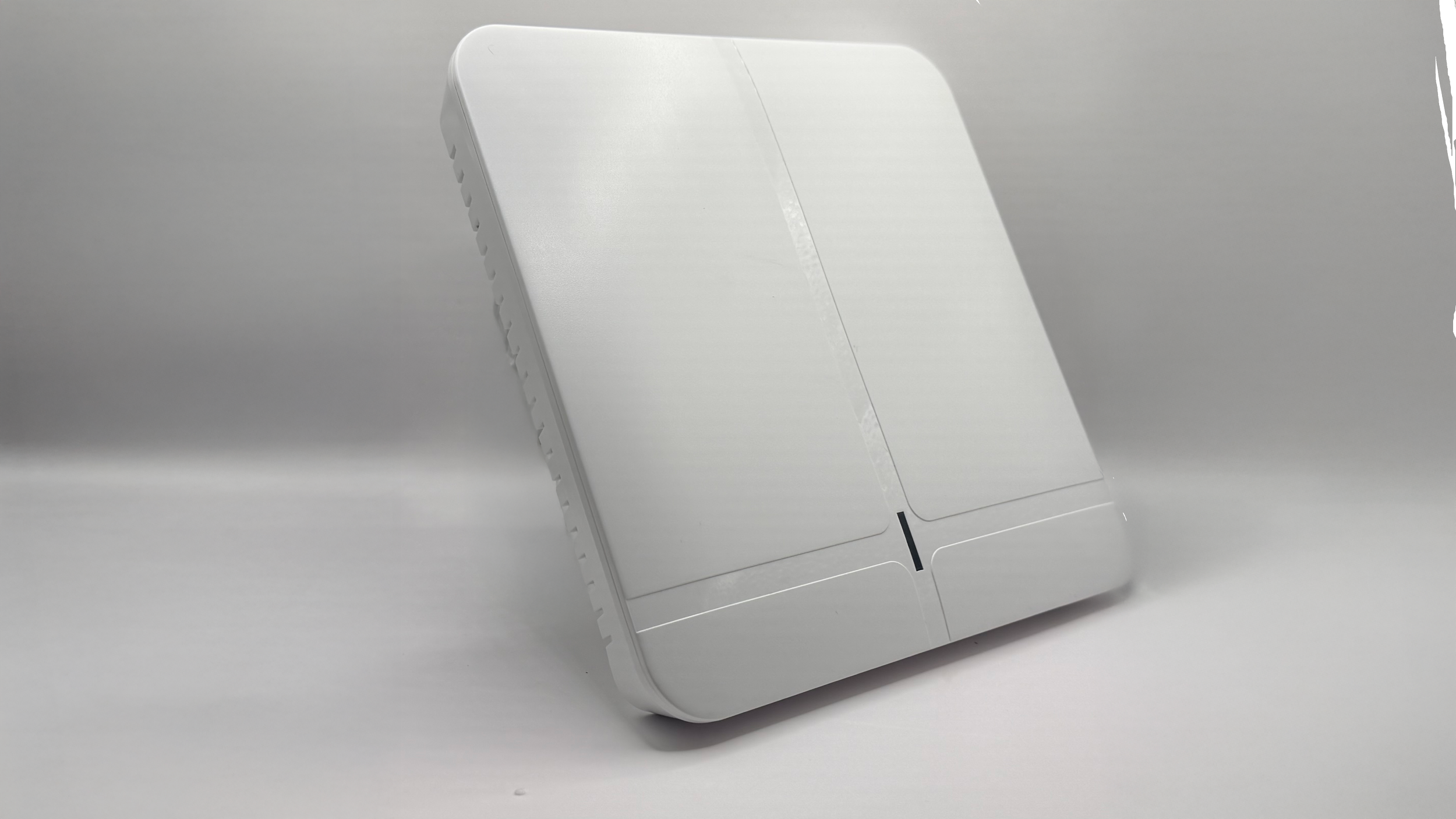
Questions to Ask Before Choosing a Contactless or Wearable Vital-Sign Monitoring System for Corrections
When choosing vital-sign monitoring for a correctional facility, ask how the system handles failures, whether it notifies staff about device and connectivity problems, whether redundancy is included or priced separately, and how wearable and contactless options work together. Reassurance Solutions answers each of these with a layered, fully monitored design that's standard in every installation.
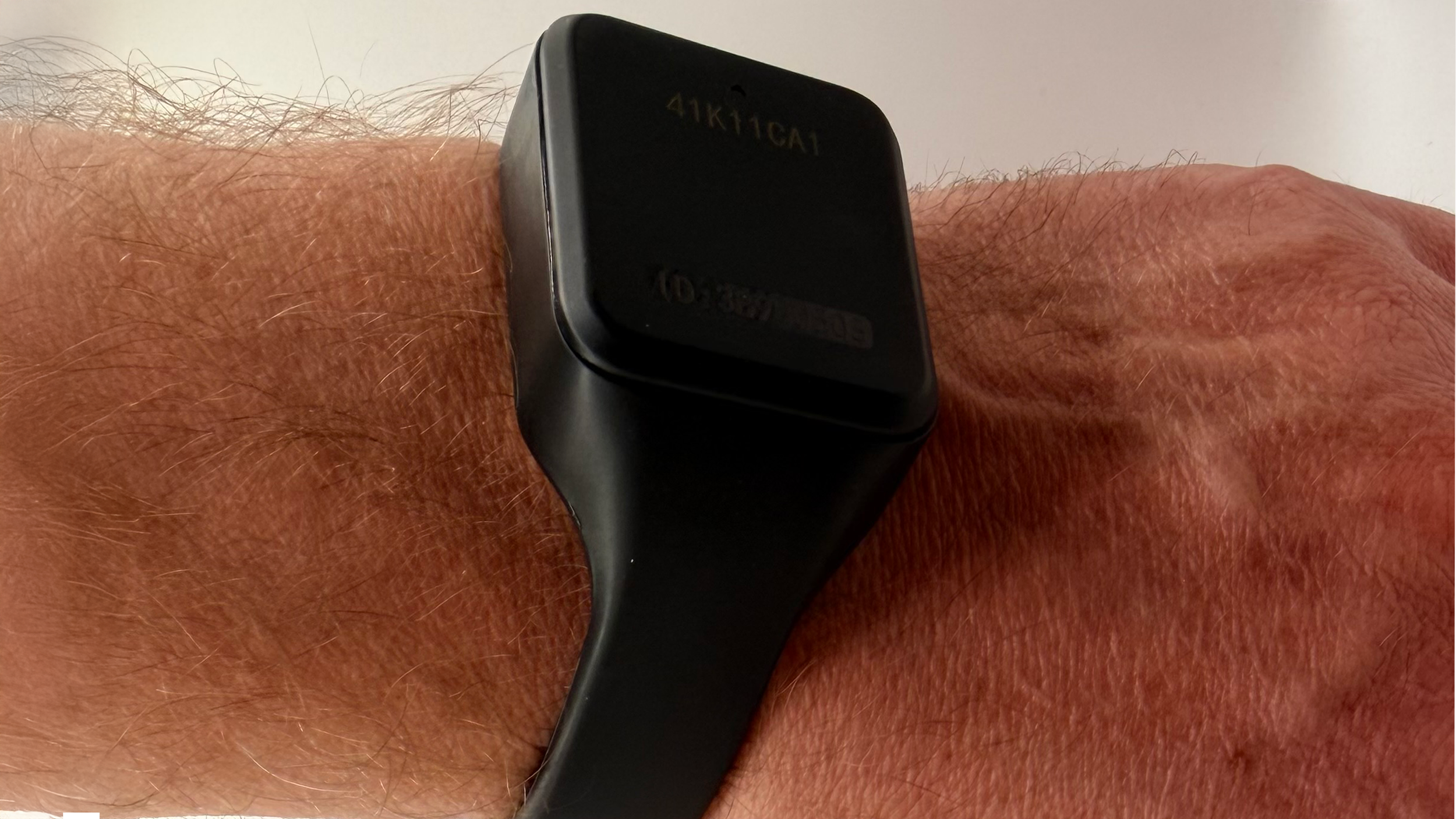
What Actually Makes Wearable Monitoring Reliable in a Correctional Facility?
Reliability in correctional wearable monitoring comes from system design, not from any single wireless technology. A dependable system uses overlapping receiver coverage, more than one path for data to travel, and continuous monitoring of device and connectivity status. Reassurance Solutions builds all three into every deployment as standard.
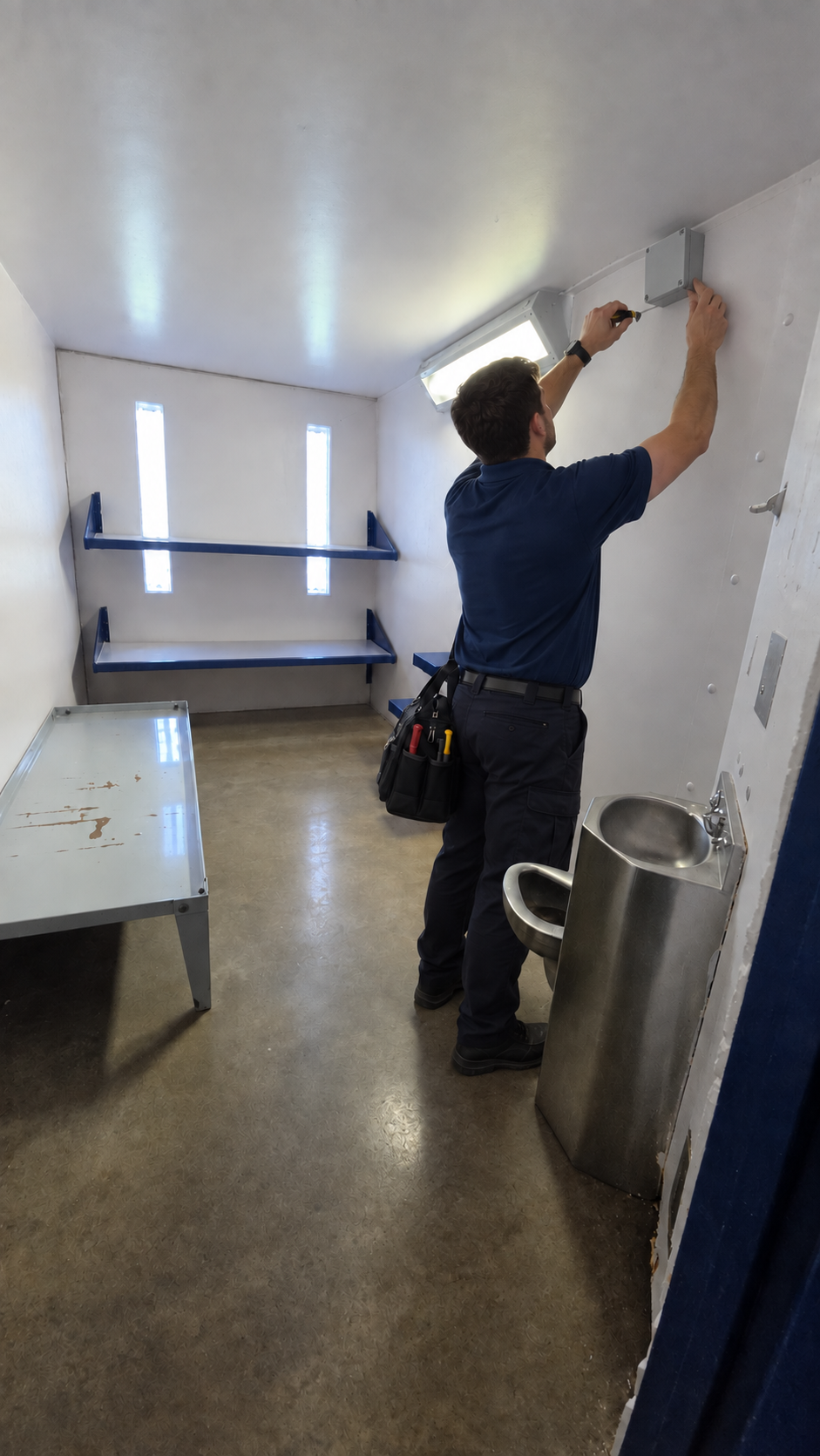
What Happens When a Signal Fails? How Reassurance Solutions Builds Redundancy Into Every Deployment
Reassurance Solutions builds reliability into its wearable vital-sign monitoring by layering communication coverage. Each wearable's signal can be received by multiple overlapping anchors. Redundant network infrastructure carries that data forward. Reassurance's infrastructure management tools monitor device and connectivity status and notify our team when an issue requires attention. Every client gets this layered design as a standard part of installation.

Why Vital Sign Monitoring Shouldn't Cost Your Facility More Than $3 a Day
With pricing that starts at $1 a day and stays under $3 for full-ecosystem coverage, Reassurance Solutions makes it possible to give every inmate, every cell, every breath the attention it deserves.
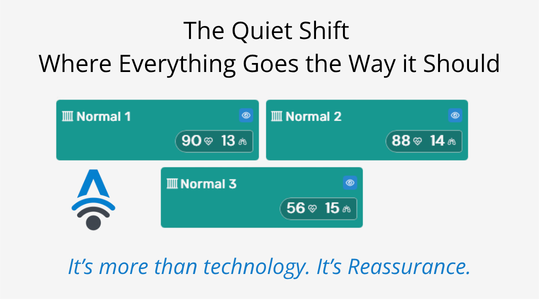
The Best Outcome Is Often the One Nobody Hears About
In the corrections industry, success is often associated with dramatic interventions, emergency responses, or critical incidents prevented at the last moment. Those moments matter. They are important, and they can absolutely save lives.
But the longer we work alongside correctional professionals across the country, the more we have come to appreciate something else:
The best outcomes are often the ones nobody hears about.

Why Frequency Matters in Correctional Monitoring — and What Sheriffs Should Actually Ask
When vendors pitch monitoring technology, the conversation often turns to frequency — the type of radio signal a device uses to detect what's happening in a room. And like most technical specs, frequency can be deployed as marketing language just as easily as it can be used as a meaningful operational distinction.
Reassurance uses 6.5 GHz UWB. Here's why that choice reflects correctional reality rather than a marketing preference.
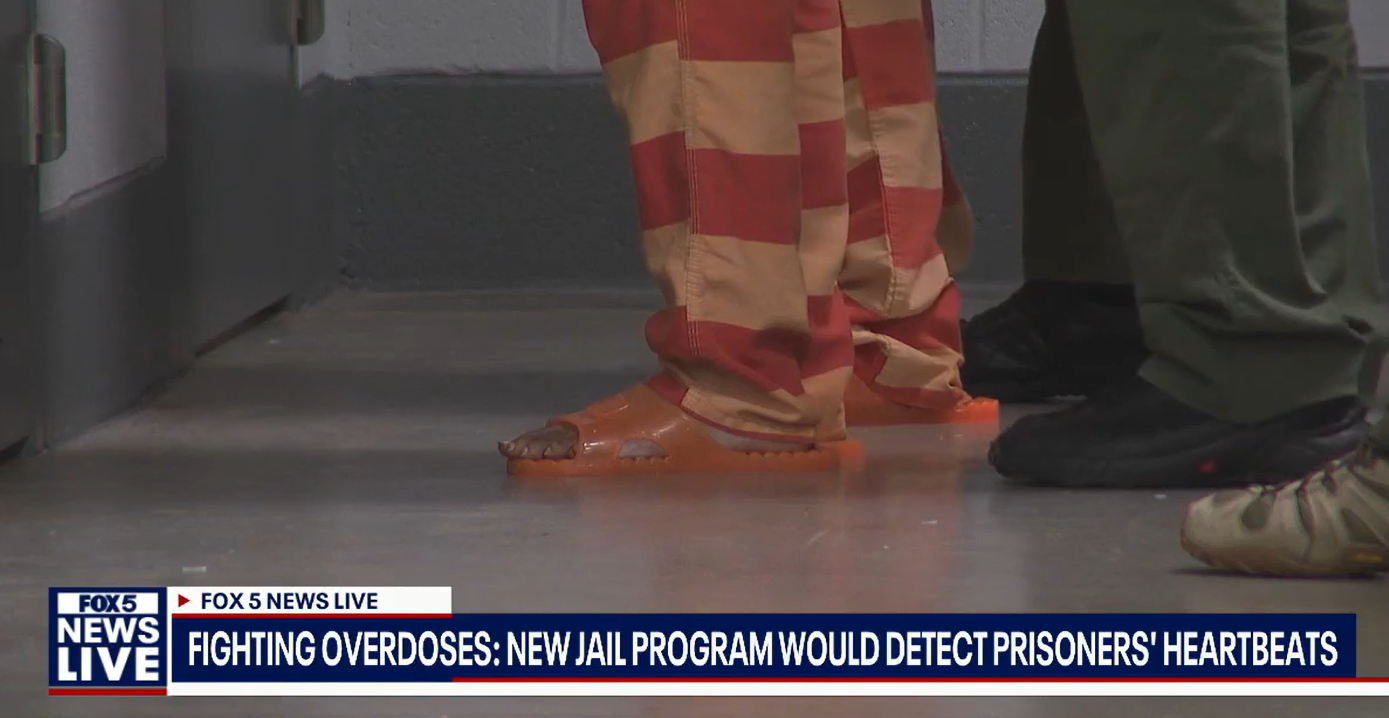
Paulding County installs first heartbeat sensing technology in Georgia
Big news out of Georgia. Paulding County Jail just became the first correctional facility in the state to deploy contactless vital sign monitoring technology — 62 sensors that can detect heartbeats and flag medical emergencies without any physical contact. FOX 5 Atlanta covered the announcement this week, and we're proud that Reassurance Solutions is the team that made it happen. This is what inmate safety looks like when technology and mission align.

The Hidden Cost of Alarm Fatigue in Correctional Healthcare
Every day in correctional facilities across America, alarms sound. Heart rate monitors. Blood pressure alerts. Movement sensors. Dozens, hundreds, even thousands of times per shift. And every day, correctional healthcare staff and officers face an impossible task: determining which alarms signal a genuine emergency and which are just noise.
52% Reduction in Fatal Overdoses: NIH Study Validates Critical Role of In-Custody Monitoring
Groundbreaking research published in The New England Journal of Medicine reveals that medication-assisted treatment for opioid use disorder (MOUD) in jails reduces fatal overdoses by 52%, non-fatal overdoses by 24%, and all-cause mortality by 56% in the six months following release.
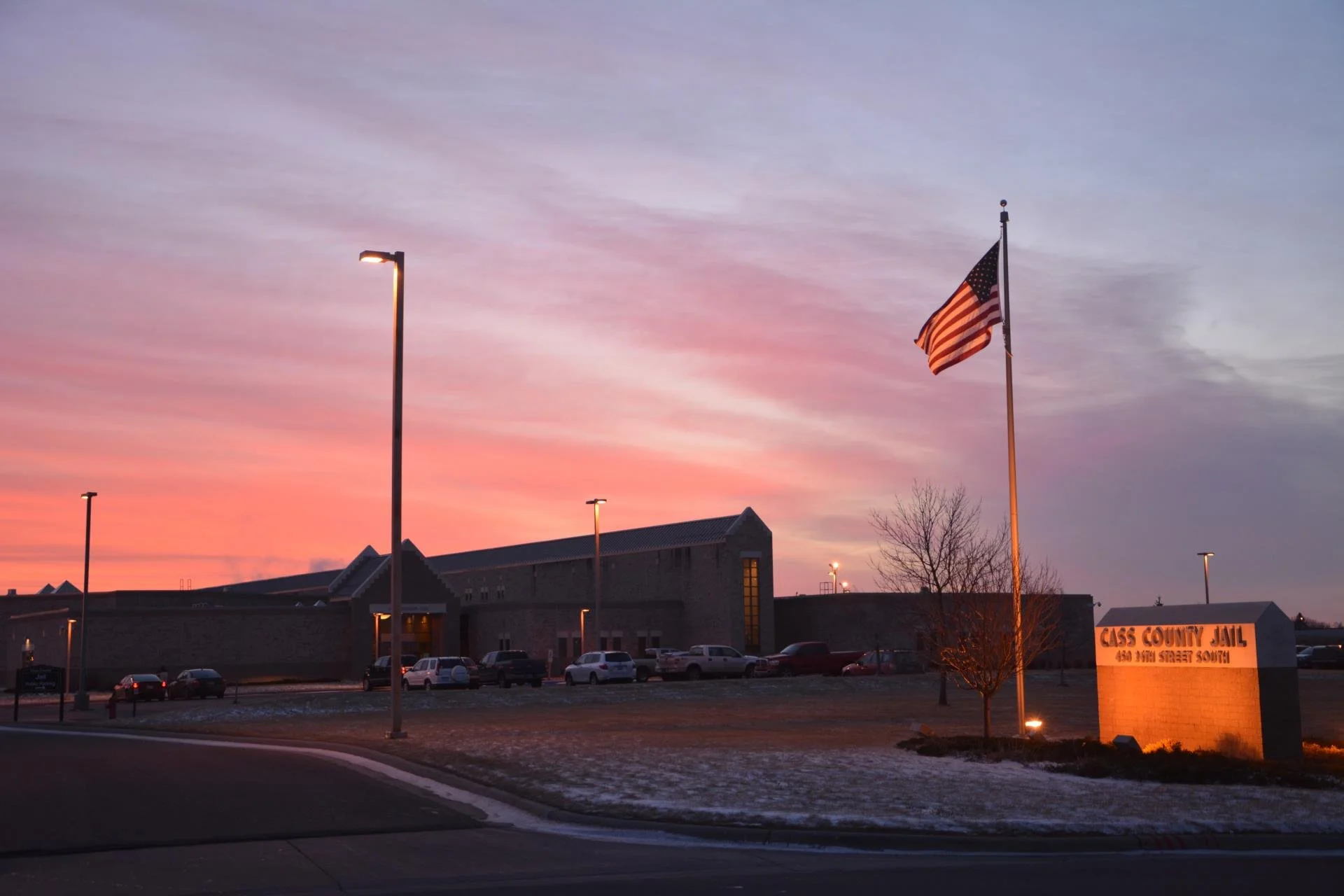
XK-300 Sensor Alerts Cass County Jail Staff to Life-Threatening Emergency, Enabling Successful Rescue
Real-time respiratory monitoring detects inmate in distress within minutes of booking, prompting immediate lifesaving intervention
Contactless vs. Wearables: Choosing the Right Vital Sign Monitoring for Your Correctional Facility
When it comes to inmate health and safety monitoring, correctional administrators face a critical question: which technology is right for our facility? The answer isn't one-size-fits-all. Both contactless sensors and wearable devices serve important roles in modern corrections, but they're designed for fundamentally different populations and purposes.
Walker County Jail completes installation of inmate health monitors
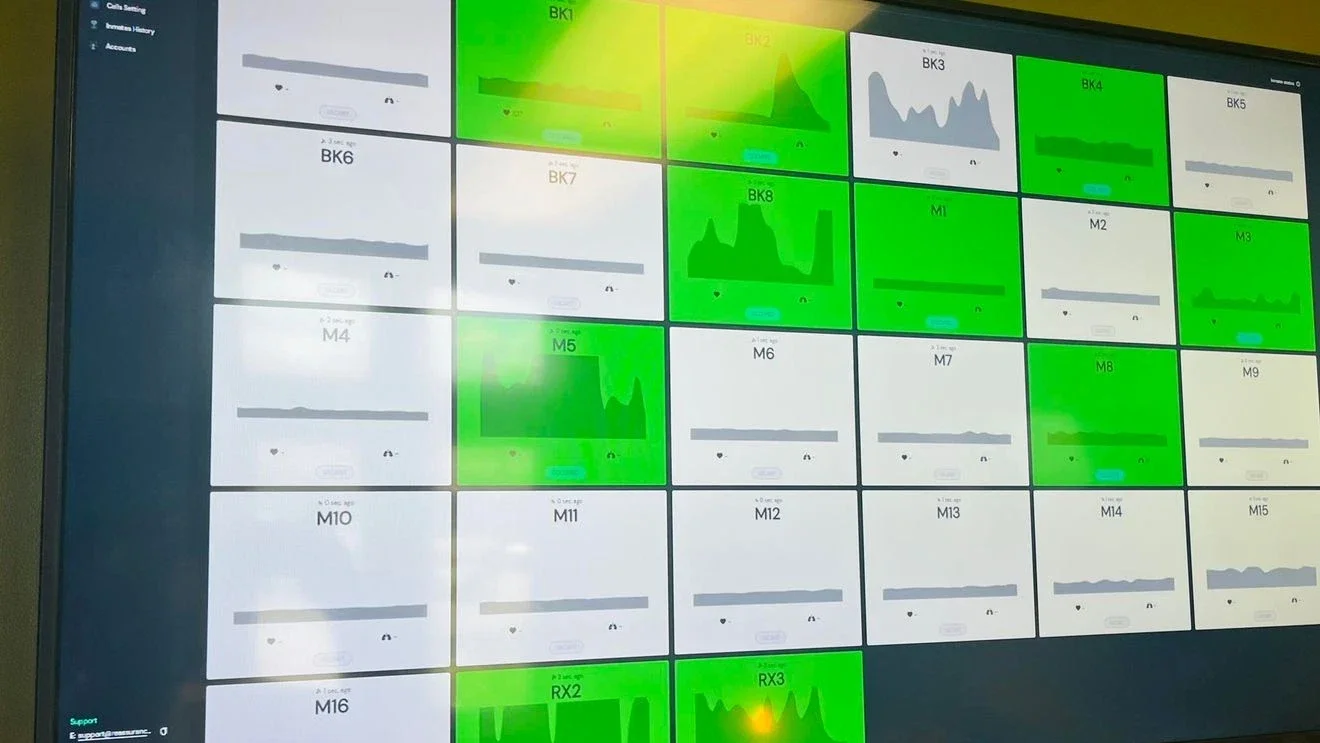
Walker County expands their array of Reassurance Solutions XK300 sensors to 27 total.

Chelan County Regional Justice Center adds 44 more medical sensors to jail cells
“With today’s opioid crisis, we must do our part to ensure we are providing the safest environment possible for those people we are entrusted to care for,” said jail director Chris Sharp.

