
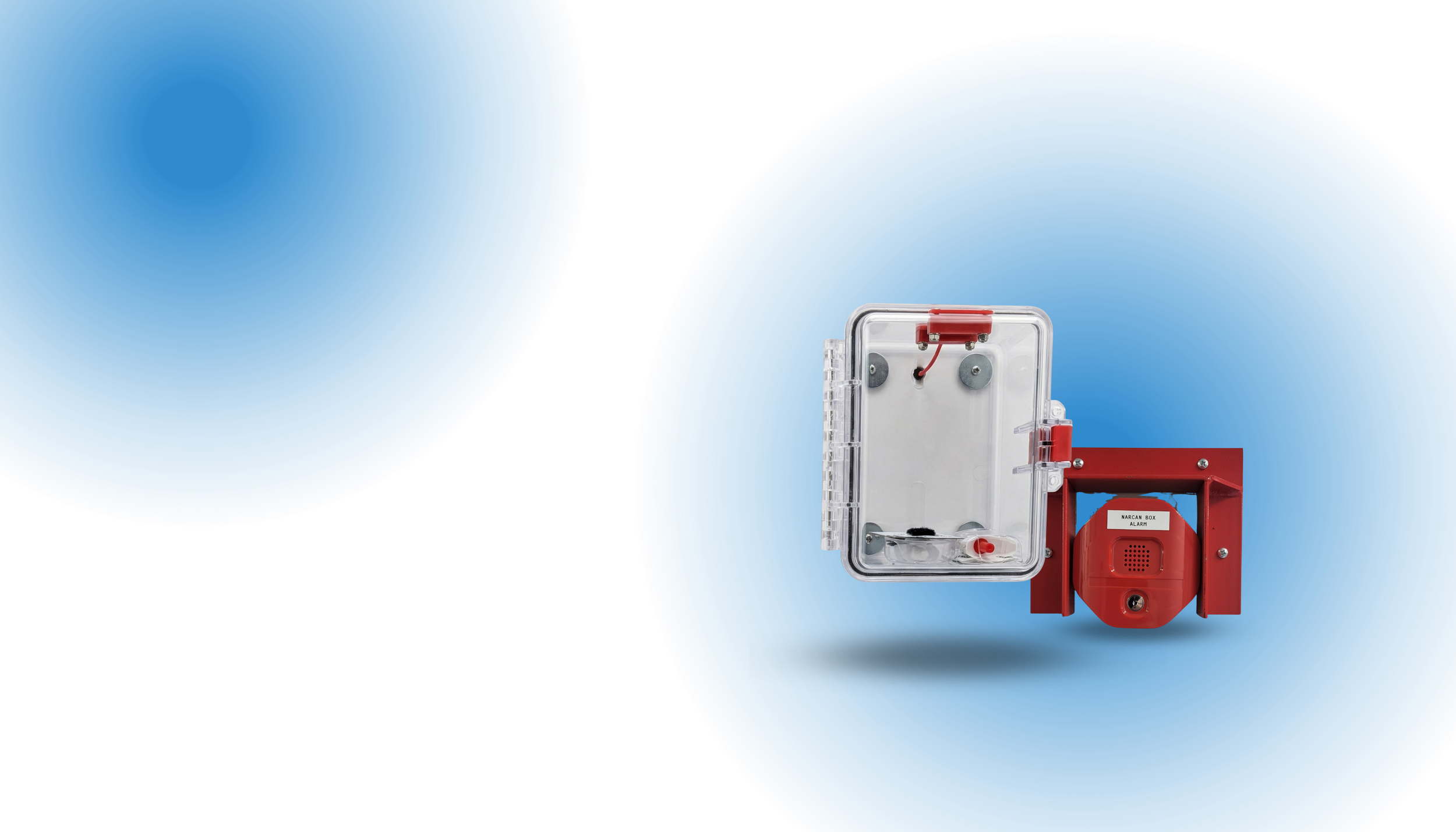
Opioid overdose response at the point of crisis, before staff can reach the door.
Why Facilities Choose ReassureAID:
Naloxone where it's needed most. Stored securely inside the cell — not down the hall, not in a supply room.
Instant staff alert on access. The moment the kit is opened, your team is notified automatically.
No cooperation required. Designed for use by anyone in the cell, under pressure, in seconds.
30+ documented lives saved. Deployed and proven in correctional facilities nationwide.
Pairs with the XK300. When the sensor detects a crisis, ReassureAid puts reversal within reach before staff arrive.


Closing The Window That Kills
An opioid overdose can become fatal in three to five minutes. The average jail wellness check interval is ten to thirty minutes.
That gap is where people die.
The problem isn't that your staff aren't responding, it's that the Naloxone isn't there when the crisis begins. Stored at a nursing station or officer's post, it may as well be miles away when an inmate goes down alone in a cell.
ReassureAid closes that gap by placing the rescue kit at the point of crisis, secured inside the cell, ready the moment it's needed.
How ReassureAID Works
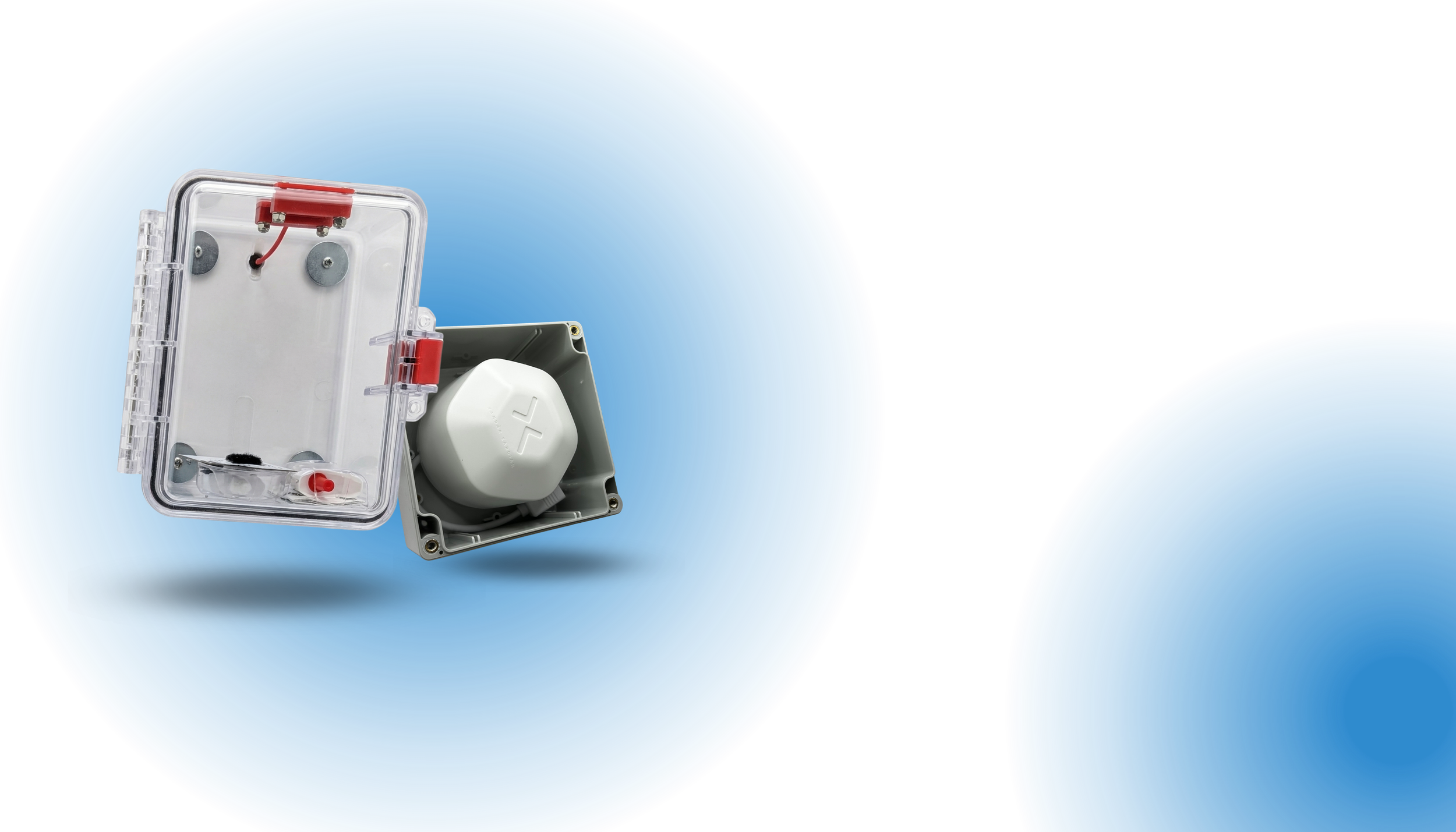
Secured in the cell. ReassureAid mounts inside the inmate's cell in a tamper-resistant housing — accessible in a crisis, secure the rest of the time.
Instant alert on access. When the kit is opened, staff receive an immediate notification. Officers know a crisis is in progress before they even reach the door.
Simple under pressure. Clear instructions and intuitive design mean ReassureAid can be used correctly in a high-stress emergency — by anyone in the cell, including other inmates acting as first responders.
Multiple doses included. Each kit contains multiple doses of Naloxone to address varying levels of overdose severity.
Pairs with the XK300 for complete coverage. The XK300 contactless sensor continuously monitors heart rate and respiratory rate and generates alerts based on configured vital sign thresholds. ReassureAID puts the reversal agent at the point of crisis while staff are en route. Detection, notification, intervention— one complete response loop, no gaps.
Frequently Asked Questions
-
ReassureAid (previously branded as the LifeGuardRX) is an in-cell Naloxone rescue kit designed for correctional facilities. It stores opioid reversal medication securely inside the cell and automatically alerts staff when the kit is accessed.
-
The kit housing triggers an automatic notification to staff the moment it's opened — giving officers real-time awareness of an active emergency.
-
Yes. ReassureAid is designed for use by anyone at the scene of the crisis, including other inmates. Simple instructions and intuitive design support correct use under pressure.
-
Yes. The XK300 continuously monitors heart rate and respiratory rate and generates alerts based on configured vital sign thresholds. ReassureAID provides the reversal agent at the point of crisis while staff are en route. Together they form a complete response loop — detection, notification, and intervention.
-
No. ReassureAid functions as a standalone product and delivers value in any correctional facility regardless of what other monitoring technology is in place.
-
ReassureAid uses tamper-resistant housing that keeps the kit accessible in a genuine emergency while limiting misuse. Staff alert on access provides an additional layer of accountability.